
The Stories Behind the Animals
Every animal living here arrived through a specific story: a rescue carried out with the environmental authorities, a seizure, or a home where they could no longer be cared for. These are five of them, with their dates and their endings, exactly as our records have them.
Who the authorities call
When the environmental authority runs into wildlife in a situation beyond its means — an animal injured, hit by a car, electrocuted, or simply turning up where nobody expected it — it calls the zoos. That is where the trained staff and the equipment for handling that wildlife are.
This is the part of the work the tour never shows. We have worked side by side with Profepa inspectors, with firefighters and with civil protection crews. Profepa recognised that collaboration in 2012.
Five stories
Born here, in the wild
Pablito went back to his mother
Spider monkey · 2012
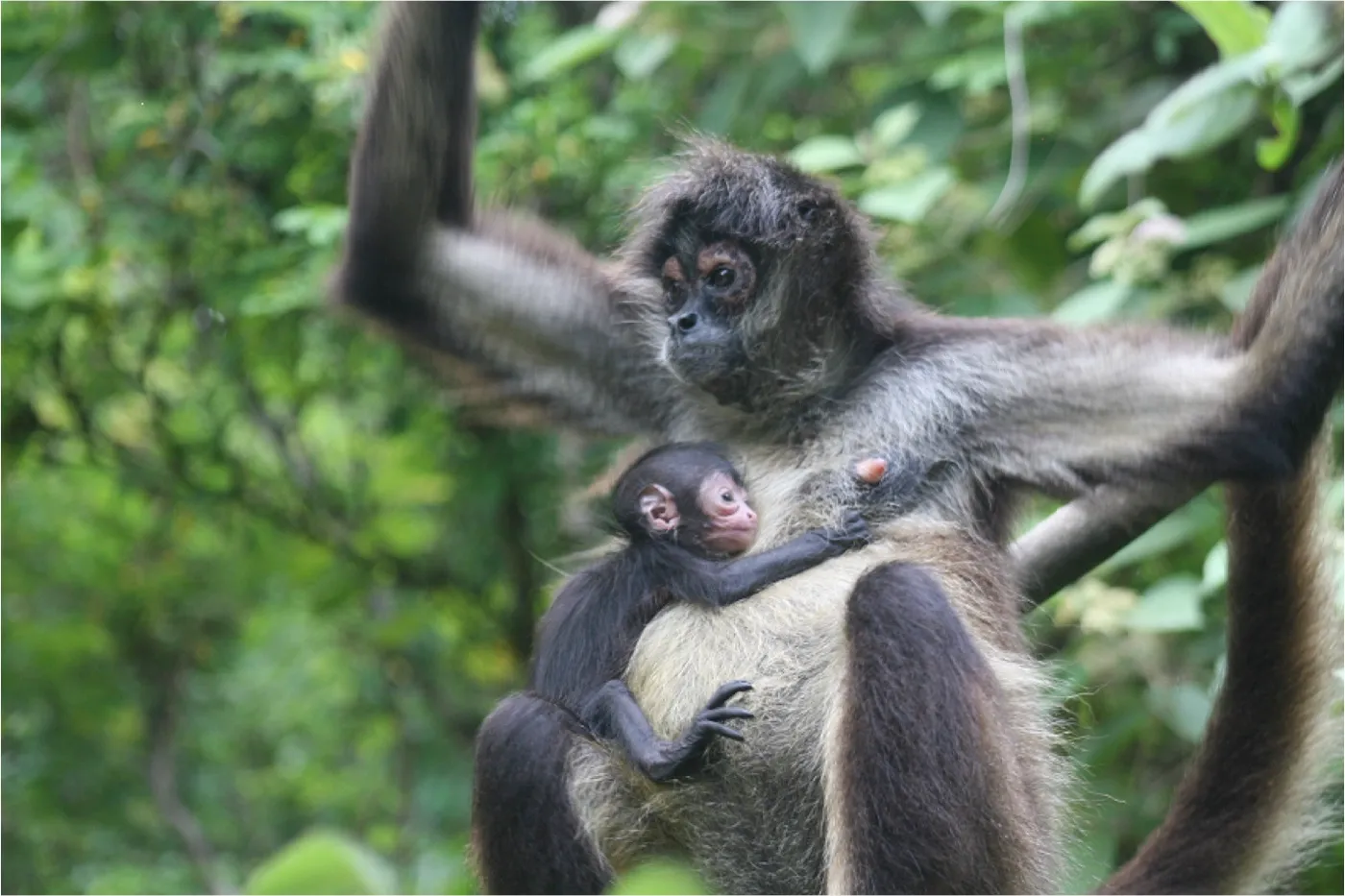
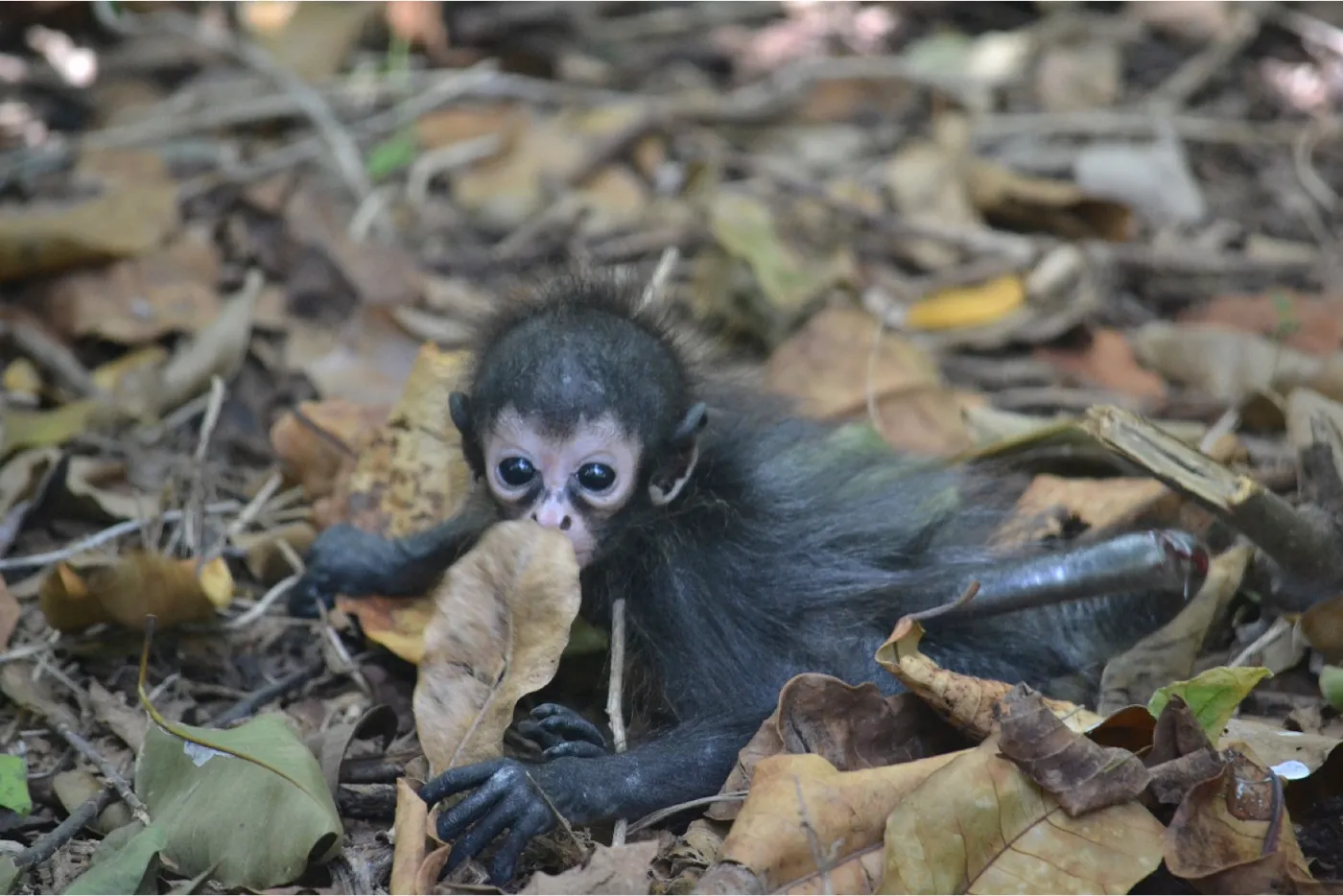
Pablito was born on 8 June 2012, the seventh offspring of Pancha, matriarch of the troop of wild spider monkeys that lives around the park. On 23 July, not yet two months old, he turned up on the ground, alone and bitten in several places after a fight between monkeys. His shrieking is what gave him away.
He went through the park's veterinary clinic: anaesthetic, wounds treated, and back with his troop the same day. We left him out in the open, in a safe spot on the ground. One of his older sisters, Panchita, came down, sniffed him, offered her back and waited. Pablito tried three times and never had the strength to climb on, and Panchita eventually withdrew to the treetops.
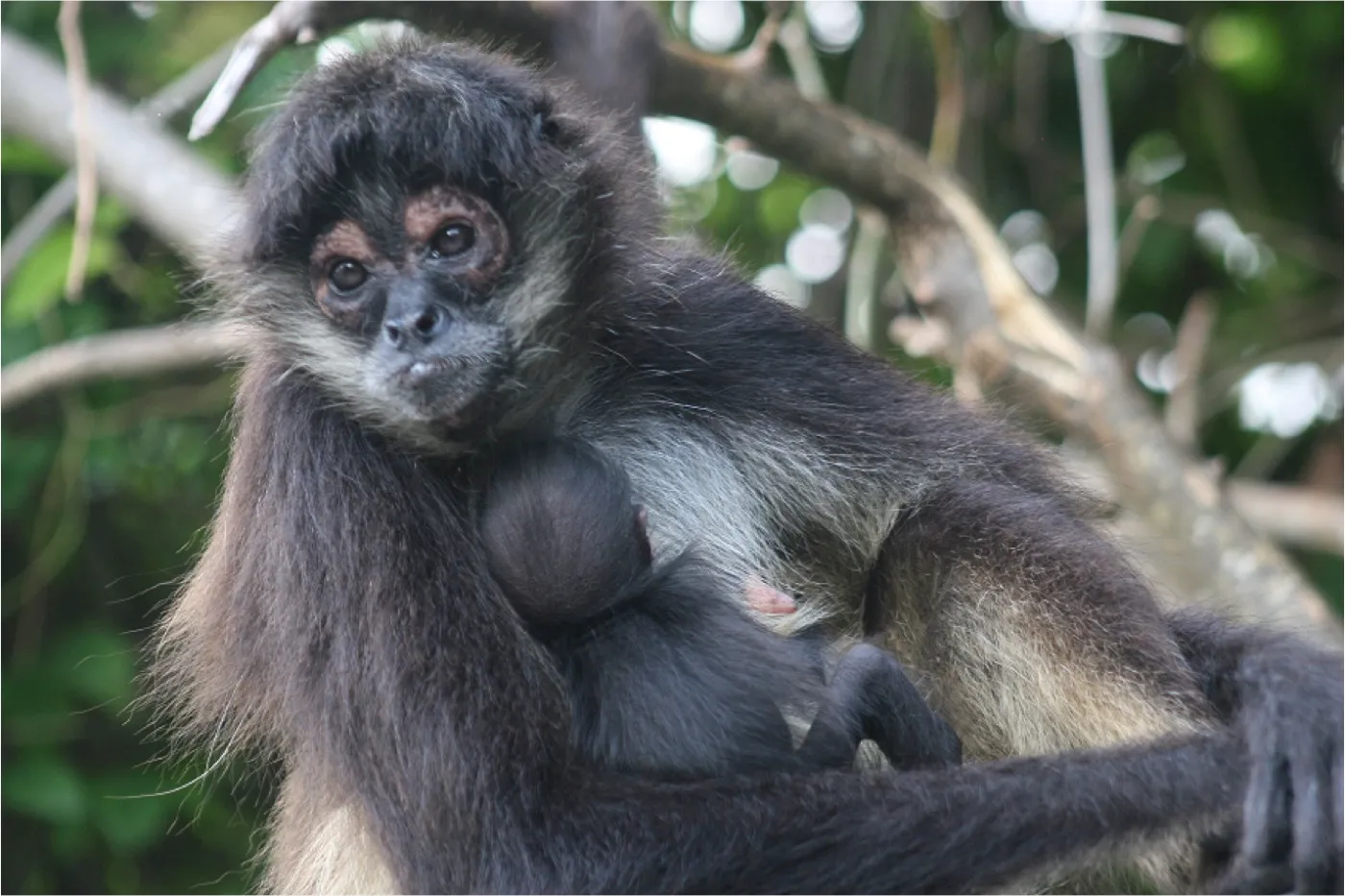
In the end it was the vet Alejandra Verastegui who managed to get him onto her back, and Panchita carried him off to the rest of the troop. We spent the night not knowing. The next morning Pancha was carrying Pablito on her back again, as if nothing had happened.
Returned to his troop, in the wild
Rescue with the authorities
The crocodile on the hook
Morelet's crocodile (Crocodylus moreletii), male, 2.10 m
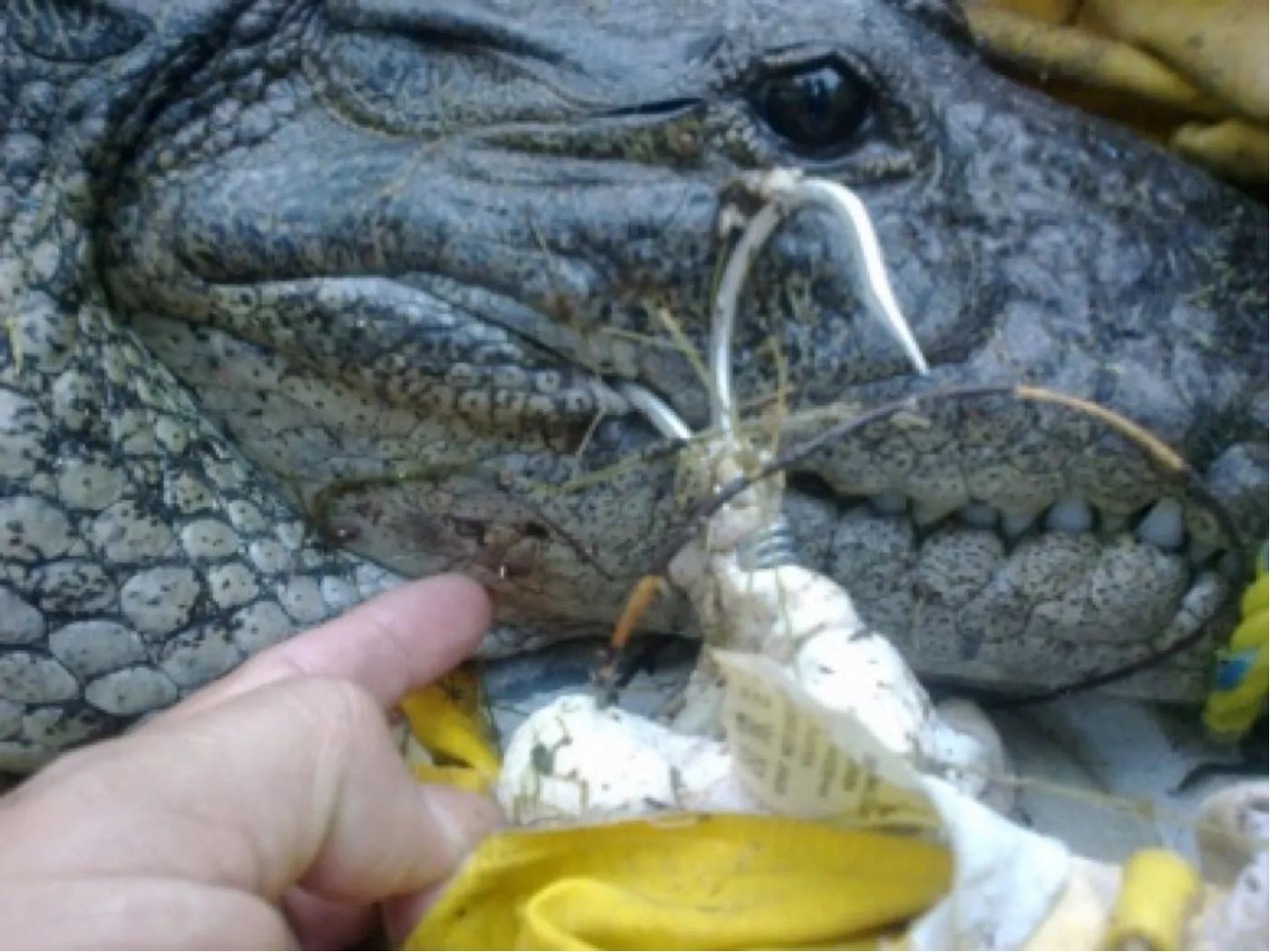
He arrived with Conanp staff, who had just found him at the edge of a wetland. They got to him before his captors did: someone had trapped him with a home-made treble hook baited with beef lung, copying a technique from a television show.
He came in with the hooks lodged in his throat. He had to be immobilised, his jaws opened and secured so they could not close again, and an hour of work done on his oesophagus and gular fold.
Back in his wetland in under 15 days
Seized by the environmental authorities
Six months in a cage
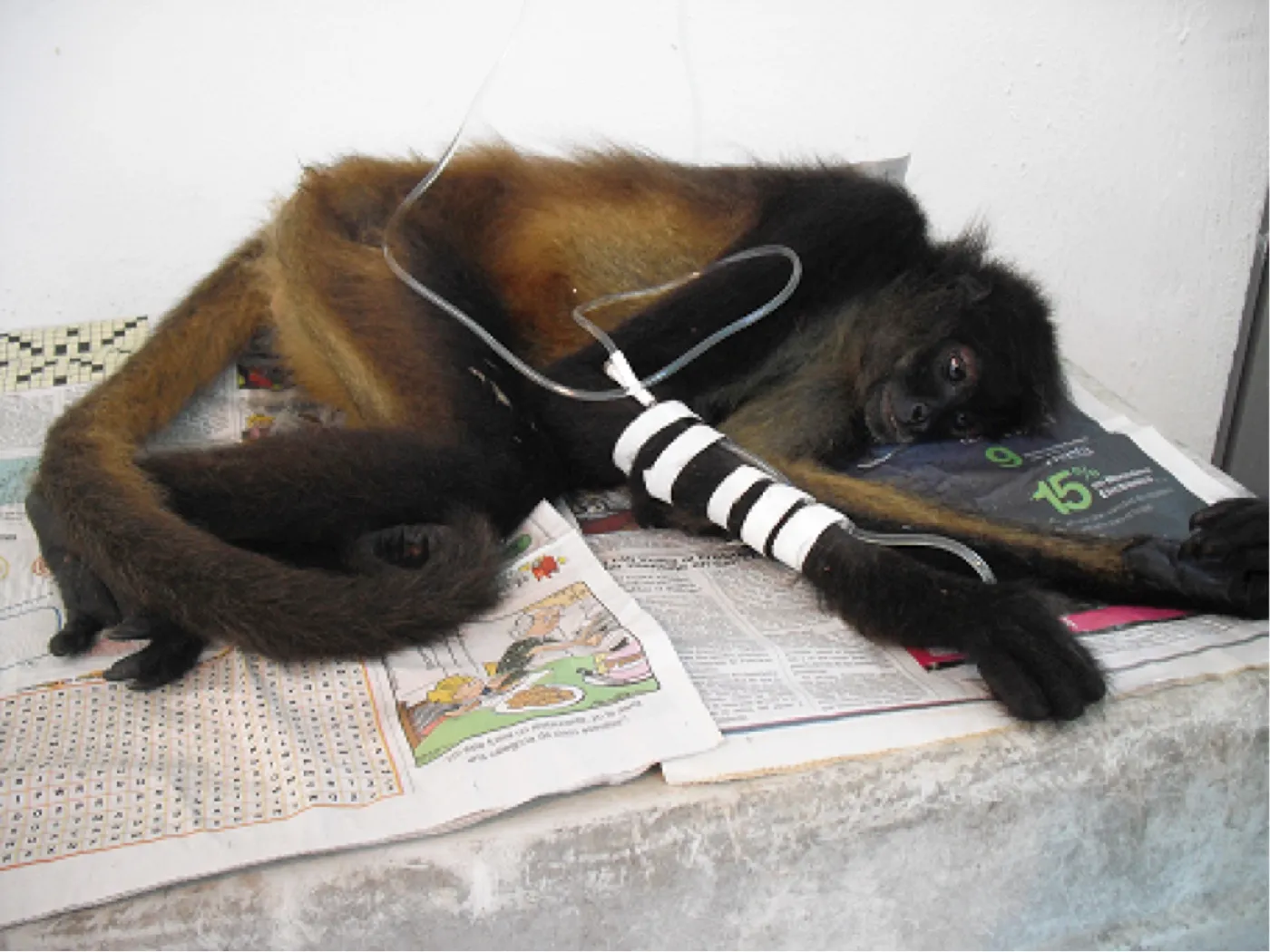
Spider monkey, female
Her owners kept her as a pet until she stopped being a small, playful monkey and started to bite. Then they shut her in a small cage, and there she spent six months, until the environmental authorities seized her and brought her here.
The diagnosis was severe anorexia and muscle atrophy. Two days on fluids, then a quarantine area under permanent observation. Within a fortnight she began to stand; after a month she could hold onto the trees with both legs and her tail; after two months we discharged her.
What came next was slower: the psychological rehabilitation. At four months she was living alongside two juvenile female spider monkeys. At six she joined the group of adult females at the park.
Stayed to live here, in a group
Seizure with Profepa
The python in the herpetarium
Python · 2010
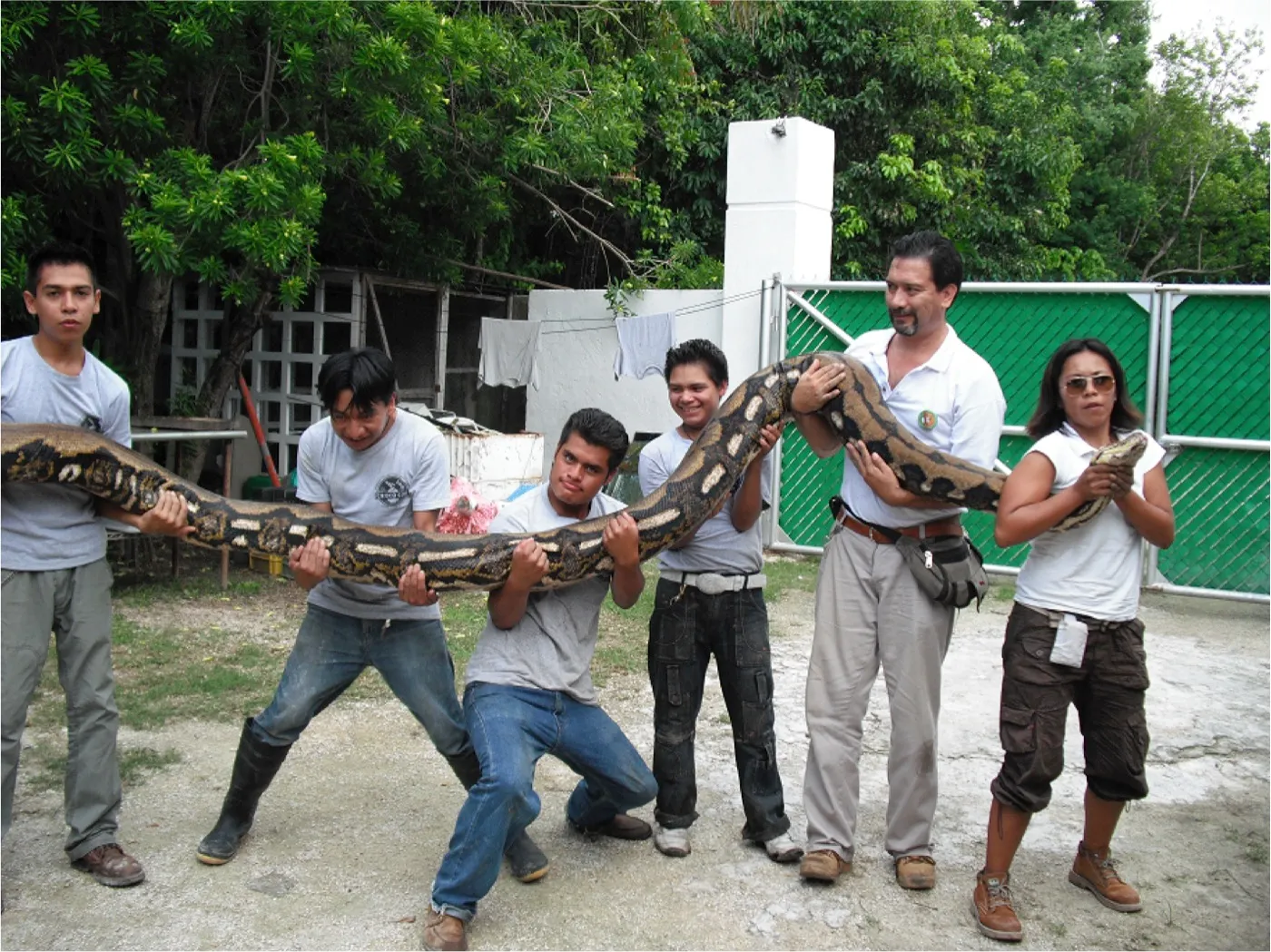
In 2010 Profepa asked us to back them up on a seizure in Playa del Carmen. The briefing we got was this: “it looks like there are a lot of snakes and they look very big and venomous”. The neighbours knew what lived in that house, which is why nobody had dared go in.
We cut the padlock off the entrance and went in escorted by firefighters and police. In two half-built rooms were two reticulated pythons over four metres long; it took eight firefighters to carry them. A third, an albino, lay coiled on rotten eggs inside an iron cage shut with a rusted padlock that had not been opened in at least a year.
The rest of the house was the same: snakes inside four broken microwave ovens serving as terrariums, two in the bedside table drawers, fifteen more in filthy water tanks. The only venomous one was a rattlesnake, beside the mouth of a small cenote in the yard.
One of the pythons in the herpetarium came from that house
Brought in by the environmental authority
The osprey that flew again
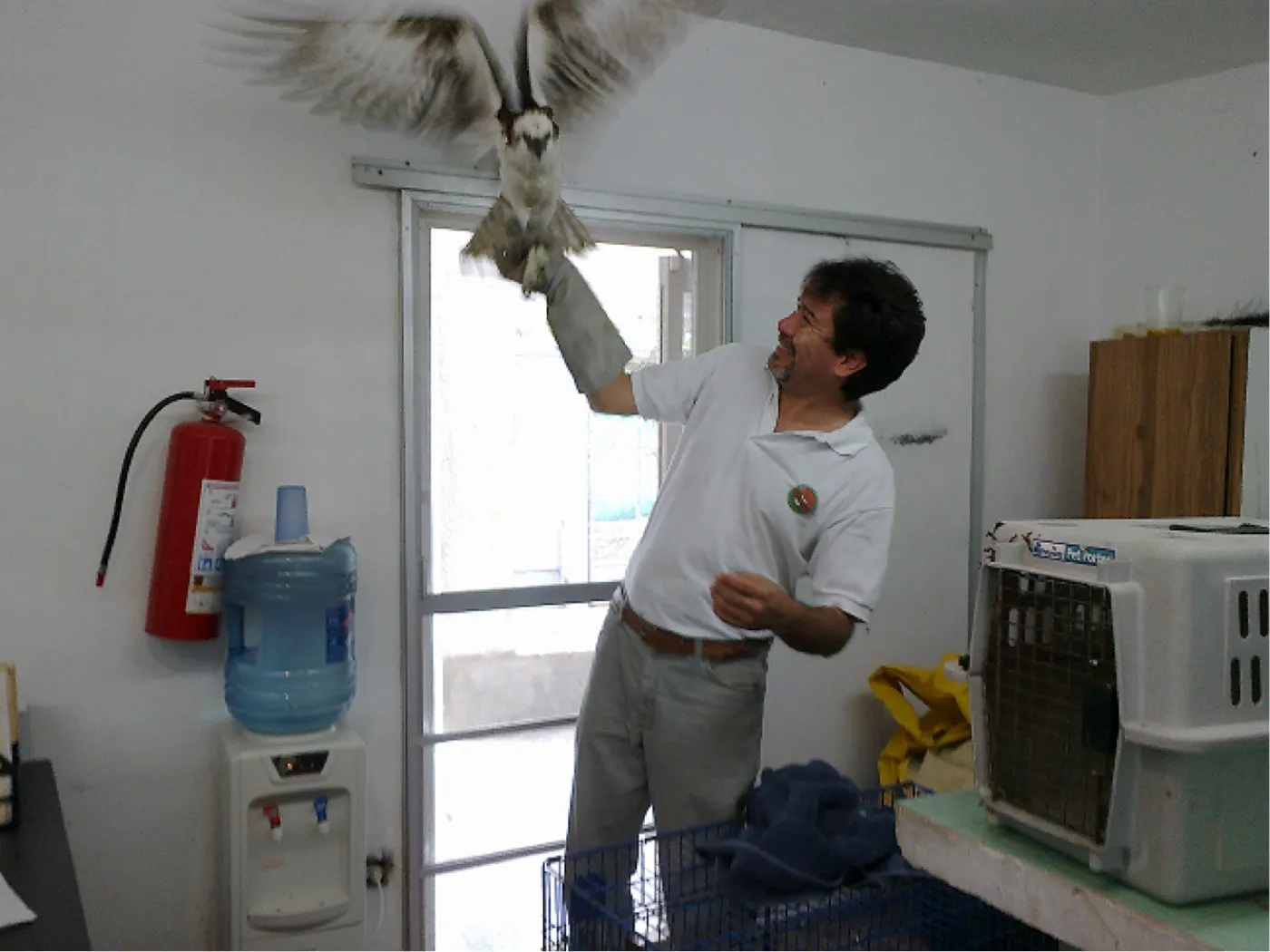
Osprey, adult
She was found at a hotel, unable to fly, and the environmental authority brought her to the park. The clinical examination found slight weight loss and dehydration, so we started the work of getting her back to her natural condition.
A couple of weeks later she had recovered the strength to fly.
Released in the area where she was found
The troop that isn't ours
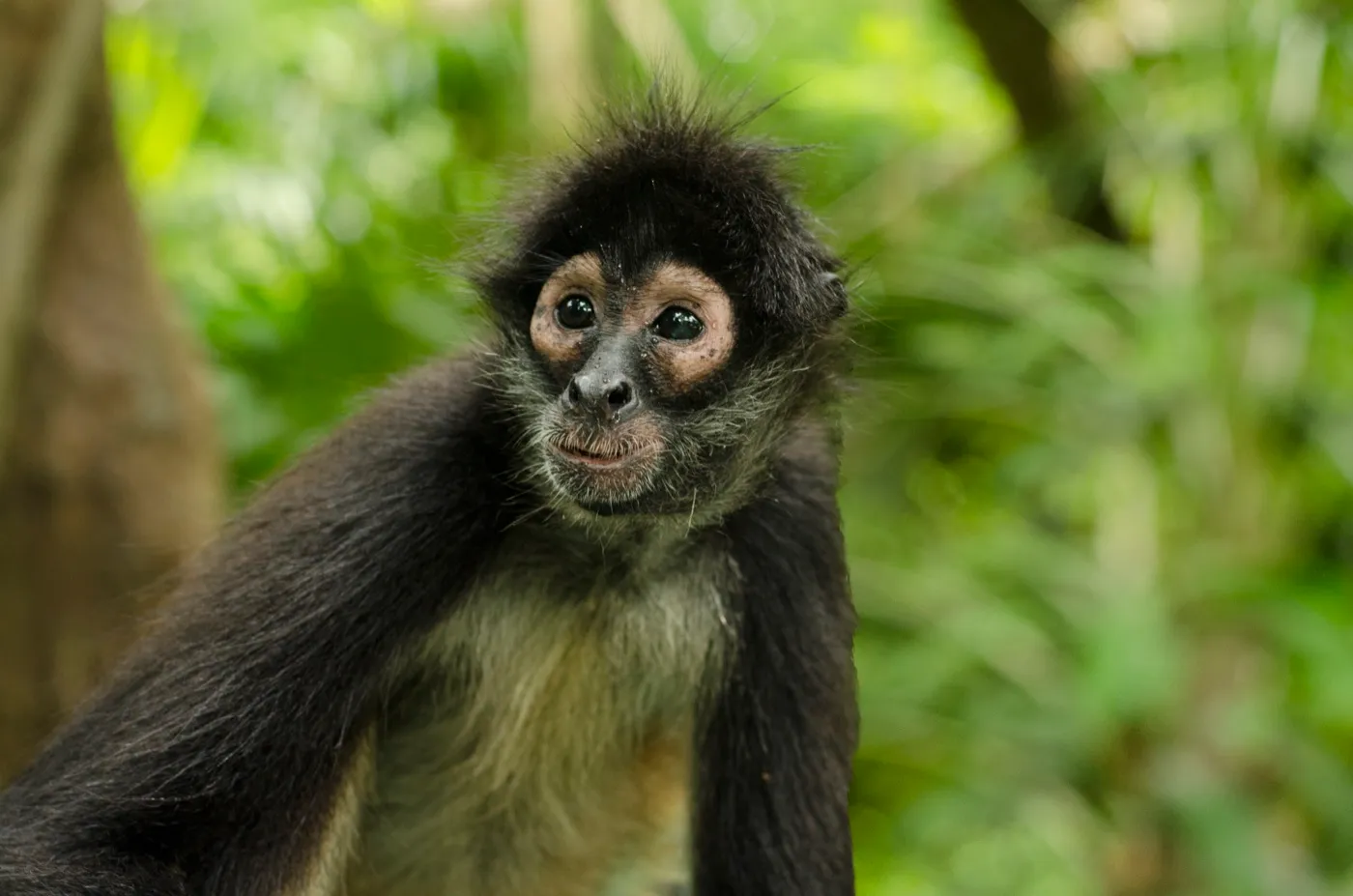
Pablito's story is part of the park's longest-running research: the breeding record of the troop of wild spider monkeys that lives here. They are not an exhibit and nothing encloses them. Urban growth took their forest away piece by piece, and they found refuge where natural vegetation was left.
Pancha, the head of the troop, arrived in 1999. Since then we have nine of her offspring on record, each with its date, plus one adoption: on 18 November 2013 she adopted Xóchitl, an infant born in captivity. When her own eighth offspring was born, the other females at the park took over Xóchitl's care.
Not all of them made it. Cirila, the first, disappeared in 2003. Pemily disappeared too. Paco died at six months, at the hands of other females. That is in the record as well, and it is part of what following a wild troop for more than two decades actually means.
Why not all of them go back
Releasing an animal is the most satisfying thing we do and the least we can promise. Behind every release you have to weigh the animal's behaviour, where it came from, how long it spent in human hands, its health, the species, the age, the sex, the time of year, the release site and the existing studies of the area.
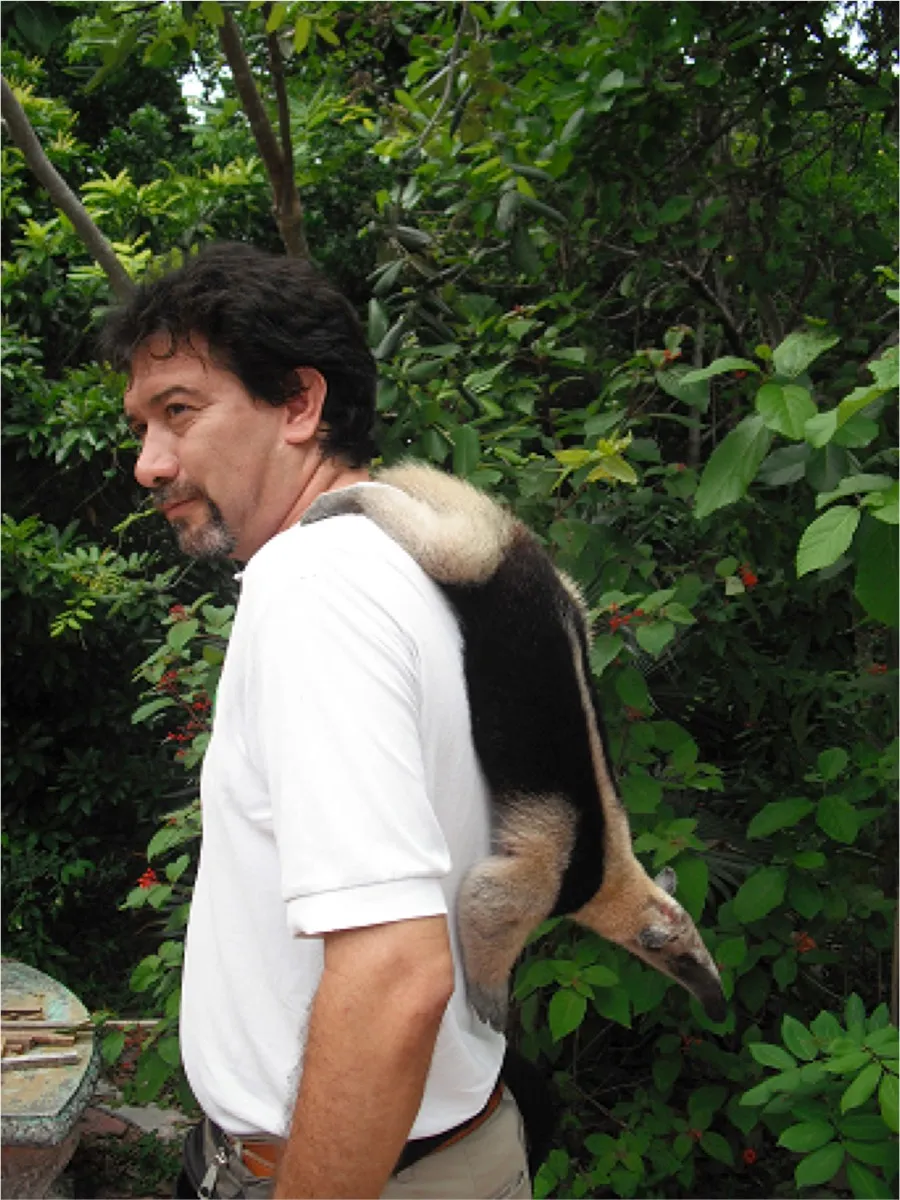
So the ones that go back are mostly those that spent little time around people and that we are certain lived wild. A tamandua (Tamandua mexicana) was here a week with dog bites and was released near where it was caught. A porcupine (Coendu mexicanus) turned up swimming in the adult crocodile pond; it came out with superficial wounds, they were sutured the same day, and a couple of weeks later it went back to the land around the park. The hard part was pulling the quills out of the mouths of the five crocodiles that had tried to eat it.
An animal that spent years in a cage no longer has that road back. That one stays, and the work becomes making sure it lives well.
The crocodiles of Nichupté
Since 2013 we have worked on the crocodile management and conservation programme for the Nichupté lagoon, the lagoon system of more than 4,500 hectares around which Cancún grew. We take in the animals removed from the system, whether because they came into conflict with people or because they arrived injured.
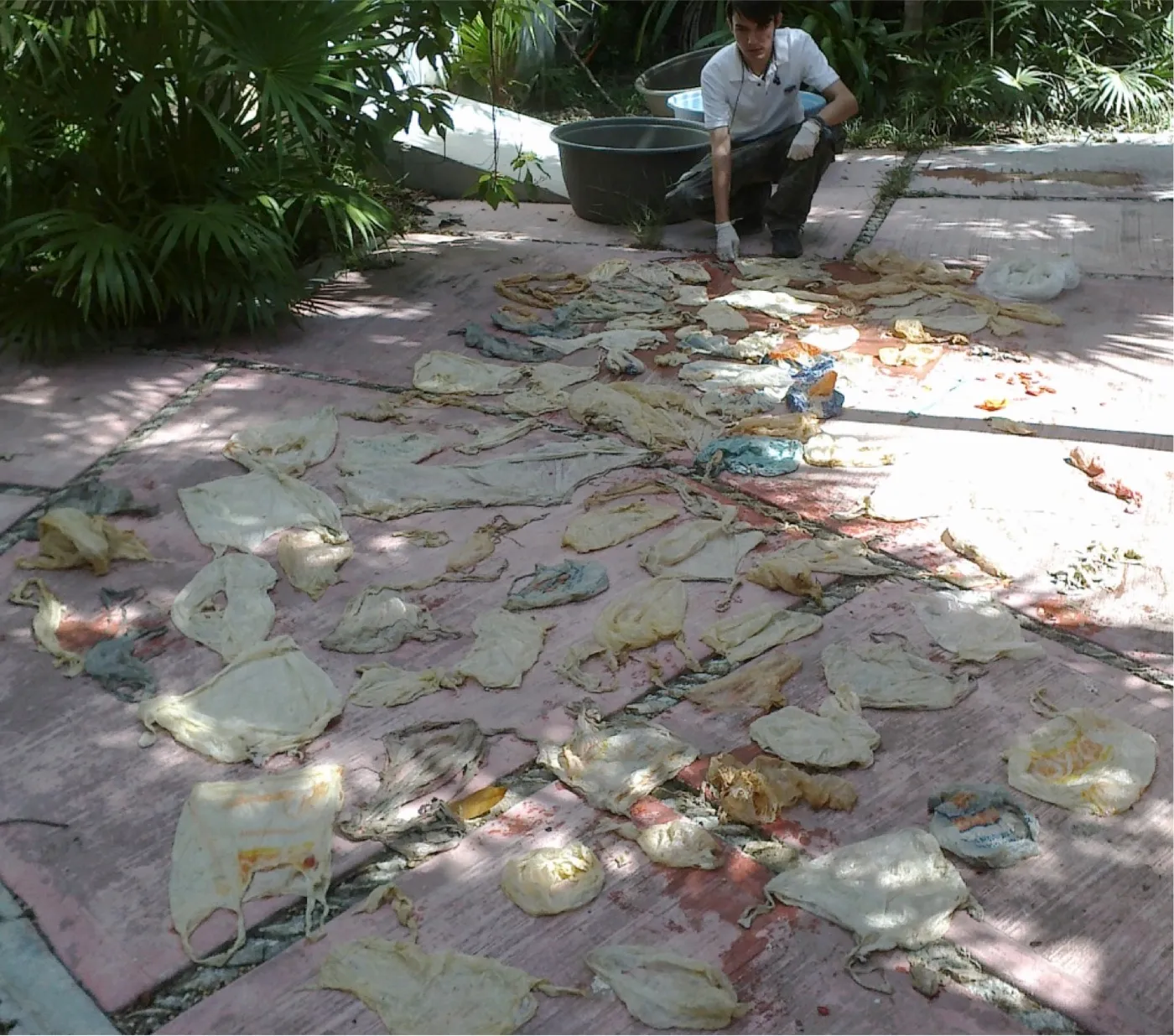
One finding came out of it that we did not expect. In July 2013 we received a male crocodile of 2.4 metres removed from the lagoon. Two days later, in quarantine, he was found surrounded by plastic: collected and sorted, it came to 85 plastic bags. We documented it, and we know of no earlier record of plastic bags in a wild crocodile.
The stories on this page are drawn from accounts written by Javier Carballar DVM.